

Home » Case Studies »
As a member of the Global School Alliance, Parkfields Middle School - a vibrant and inclusive school in a small Bedfordshire village - has begun to reimagine what is possible. Through an international partnership, the school is expanding its global outlook and giving pupils meaningful opportunities to learn about, engage with and understand the wider world.

Nicola Hayward, Parkfields Middle School
I am the Head of Year 8, transitioning to Head of Year 5, at Parkfields Middle School. My interest in joining the delegation began at the Liverpool conference, where the stories of students gaining transformative international experiences—often for the first time—deeply resonated with me. I wanted those same opportunities for the children in our local village.
Having spent fourteen years working as an international teacher, I have seen first-hand how powerful global partnerships can be. My experience with Round Square showed me that if we want to develop true global citizens, we must connect beyond our immediate context and build meaningful relationships with schools around the world. Before travelling to China, I expected to observe strong practice that I could bring back to Parkfields.
Those expectations were more than met—but what I didn’t anticipate was the strength of the professional friendships formed within the UK delegation itself. The shared purpose, collaboration, and ongoing support from colleagues across the country has become one of the most valuable outcomes of the entire experience.
Key findings and observations
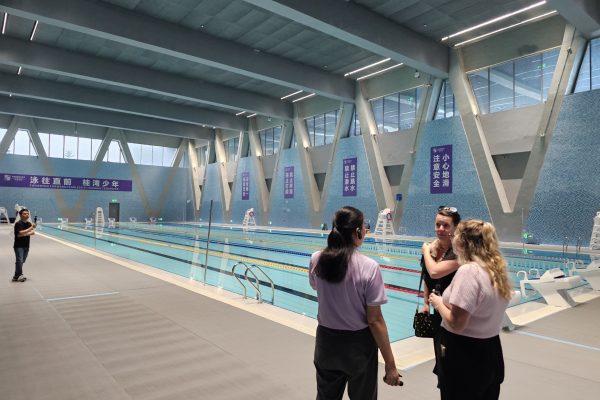
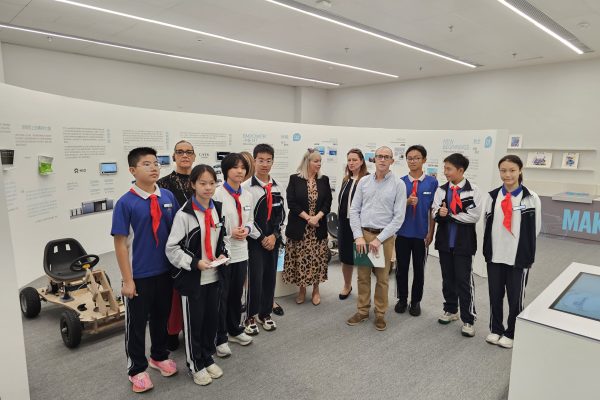
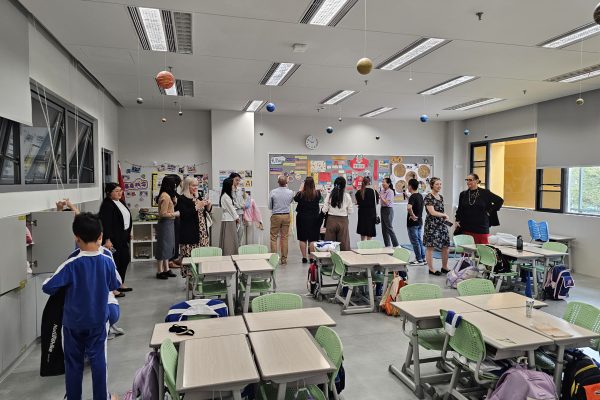
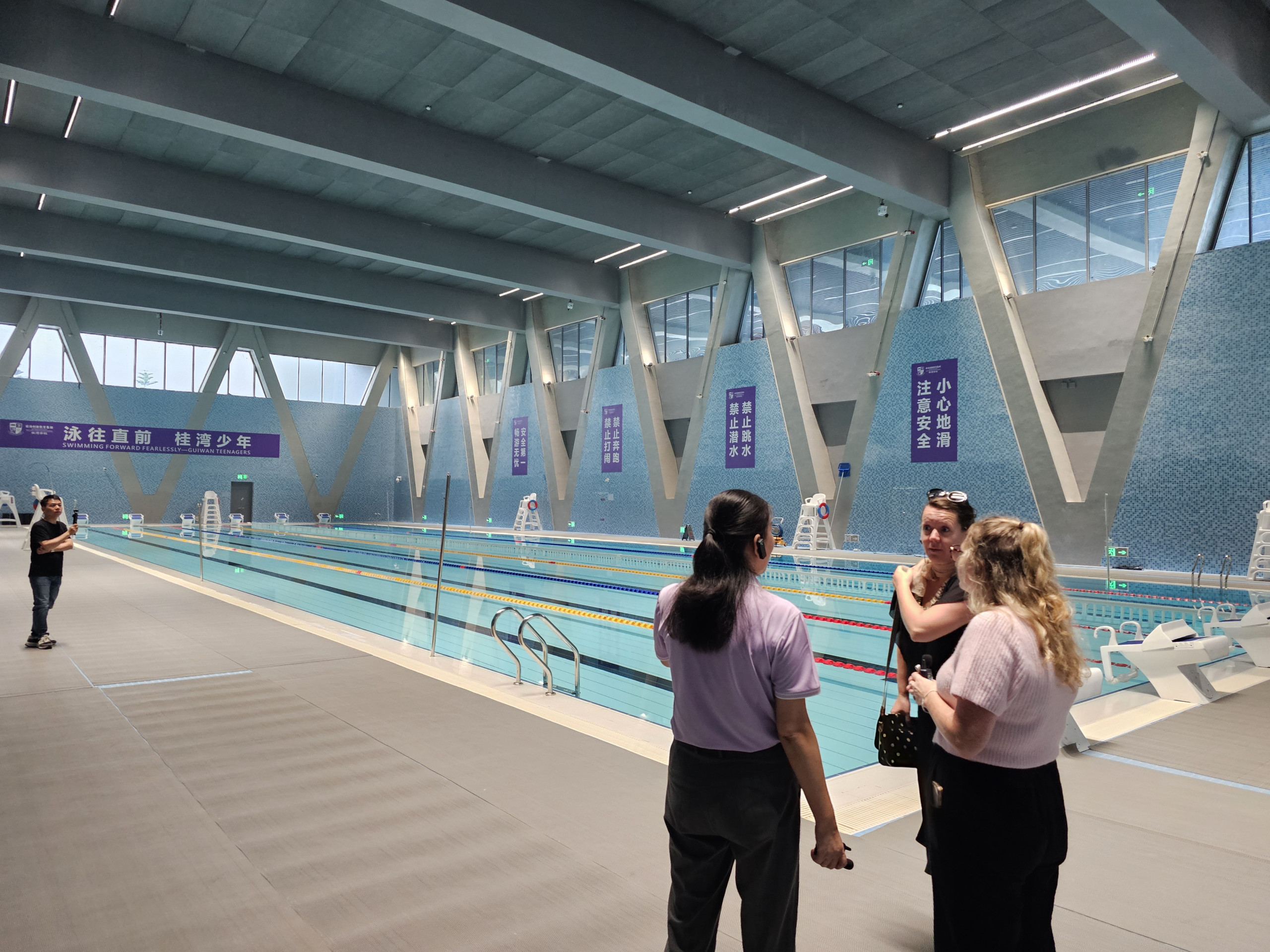
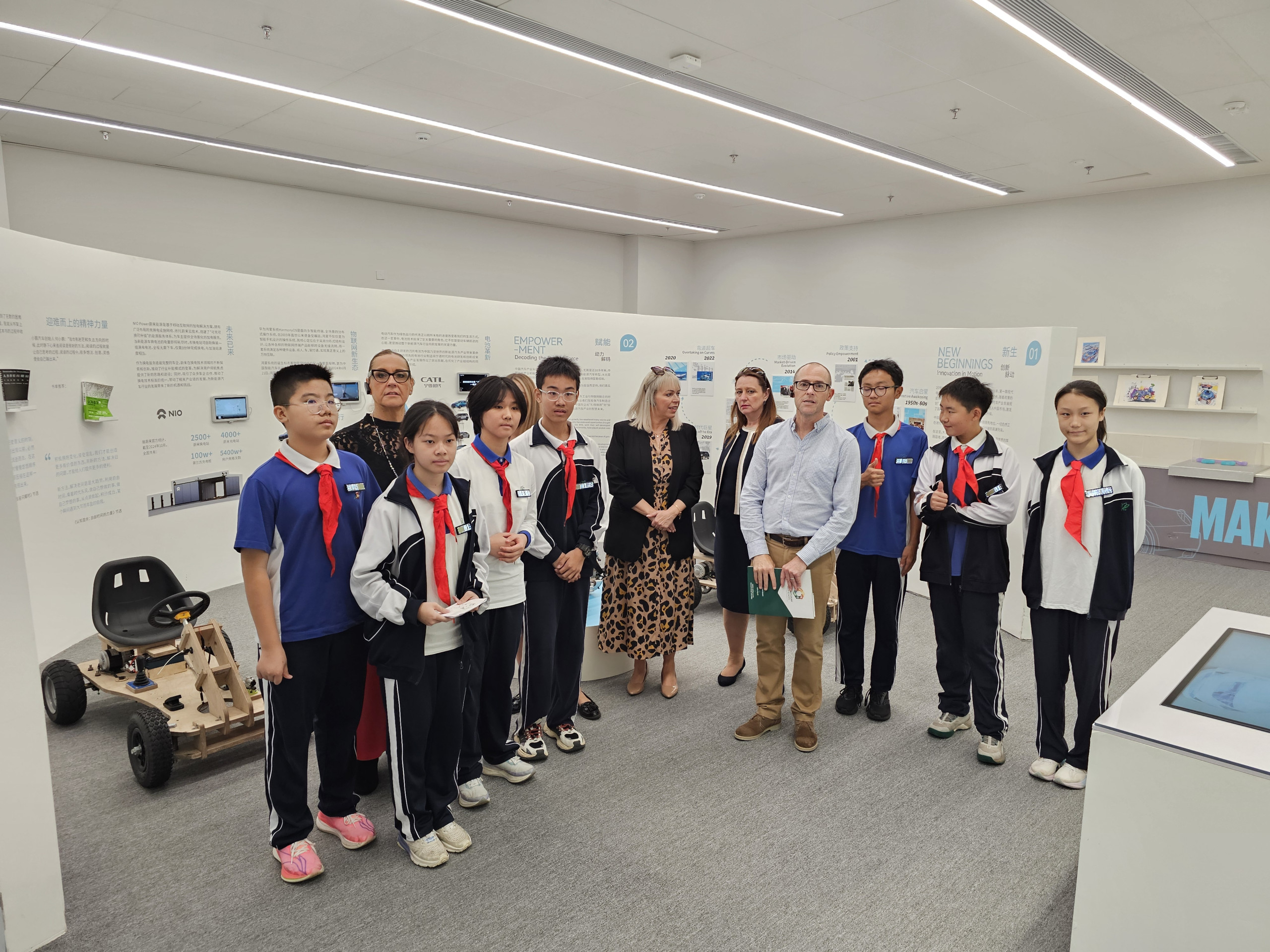
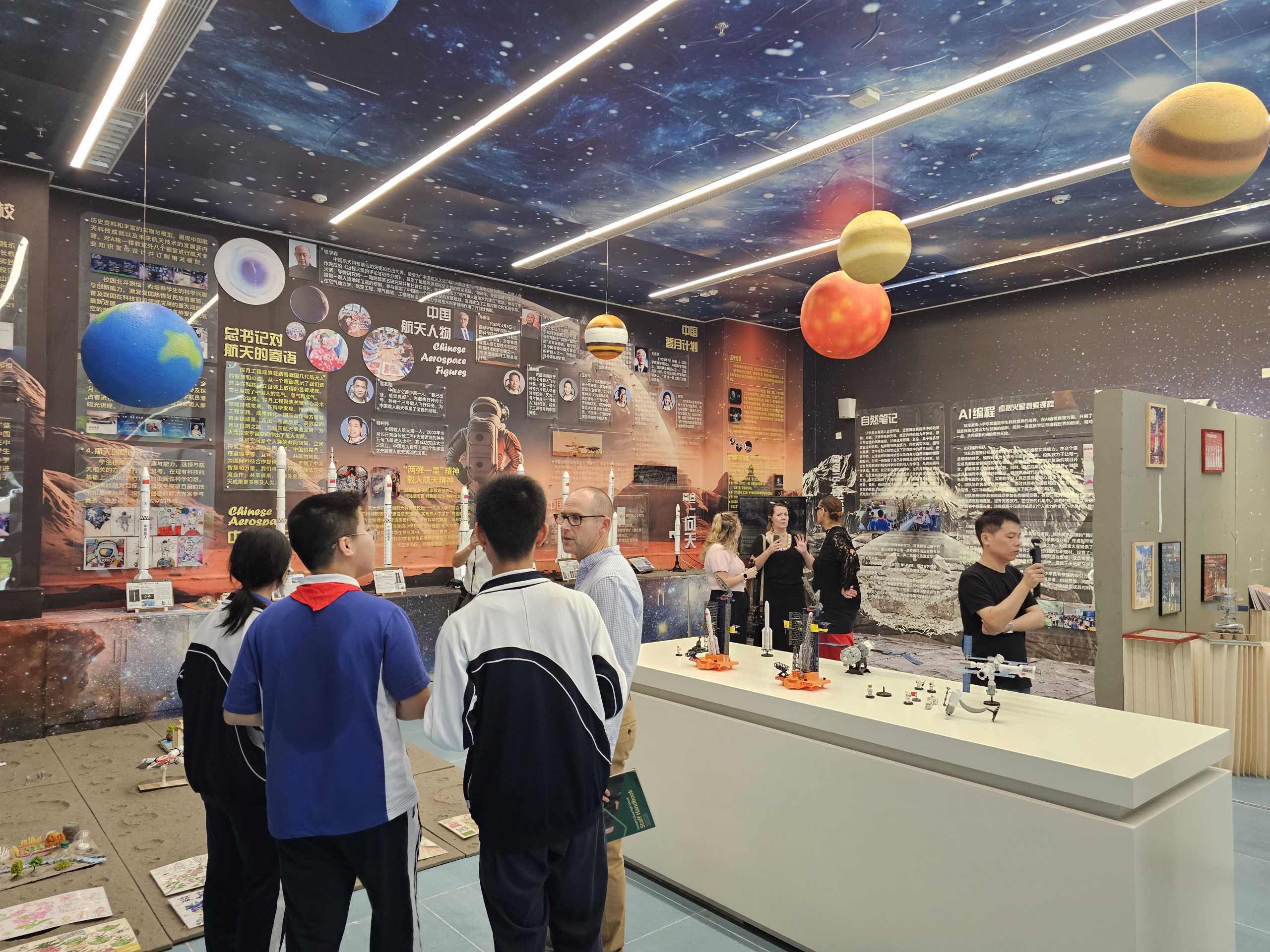
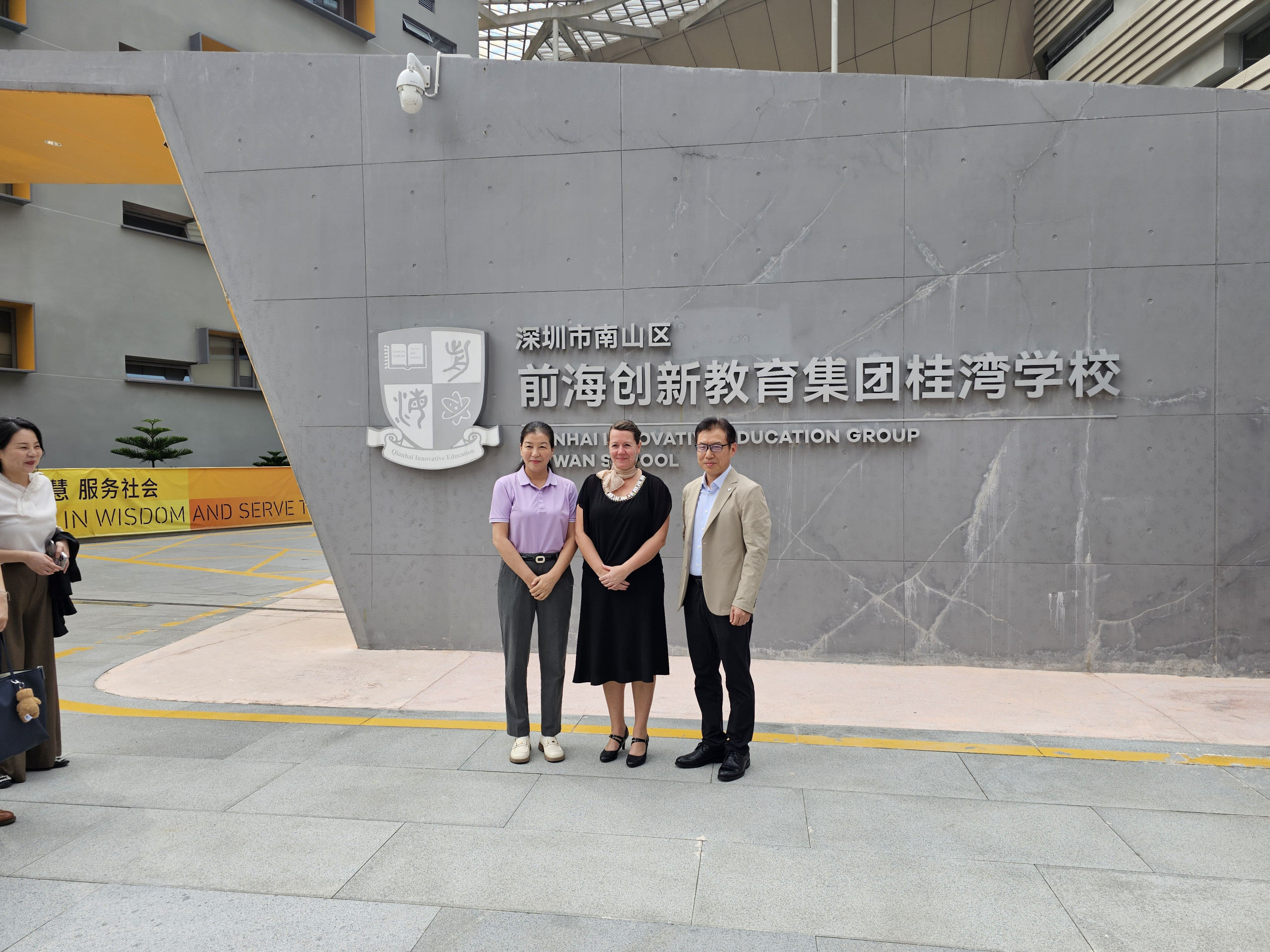
What struck me immediately was the diversity between the schools we visited. The Qianhai Innovative Education Group school we have been paired with—now our official partner—is extraordinary in both scale and vision. Its forward-thinking approach is strengthened by the significant investment local businesses make in education, particularly in STEM and emerging technologies.
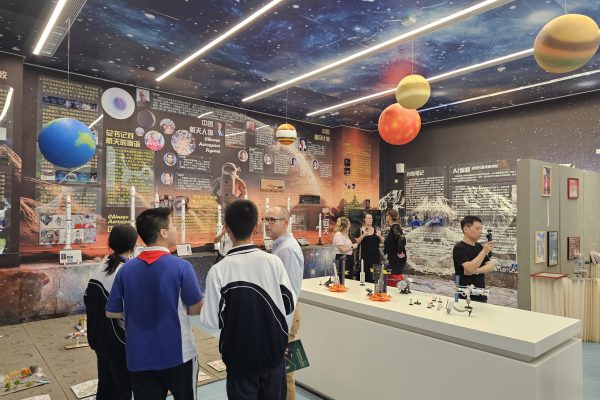
Seeing students work confidently in dedicated robotics labs, exploring engineering concepts, and engaging with AI in meaningful, age-appropriate ways was genuinely inspiring. As Parkfields moves towards a more technologically enriched curriculum, these insights will be invaluable in shaping our next steps. Culturally, I was fascinated by the students’ deep respect for learning.
Yet what surprised me most was that this respect did not translate into silent, rigid classrooms. In fact, the opposite was true. The children were energetic, curious, creative, and joyfully expressive. Their routines—including structured nap times—balanced academic expectation with wellbeing in a way that felt both purposeful and compassionate.
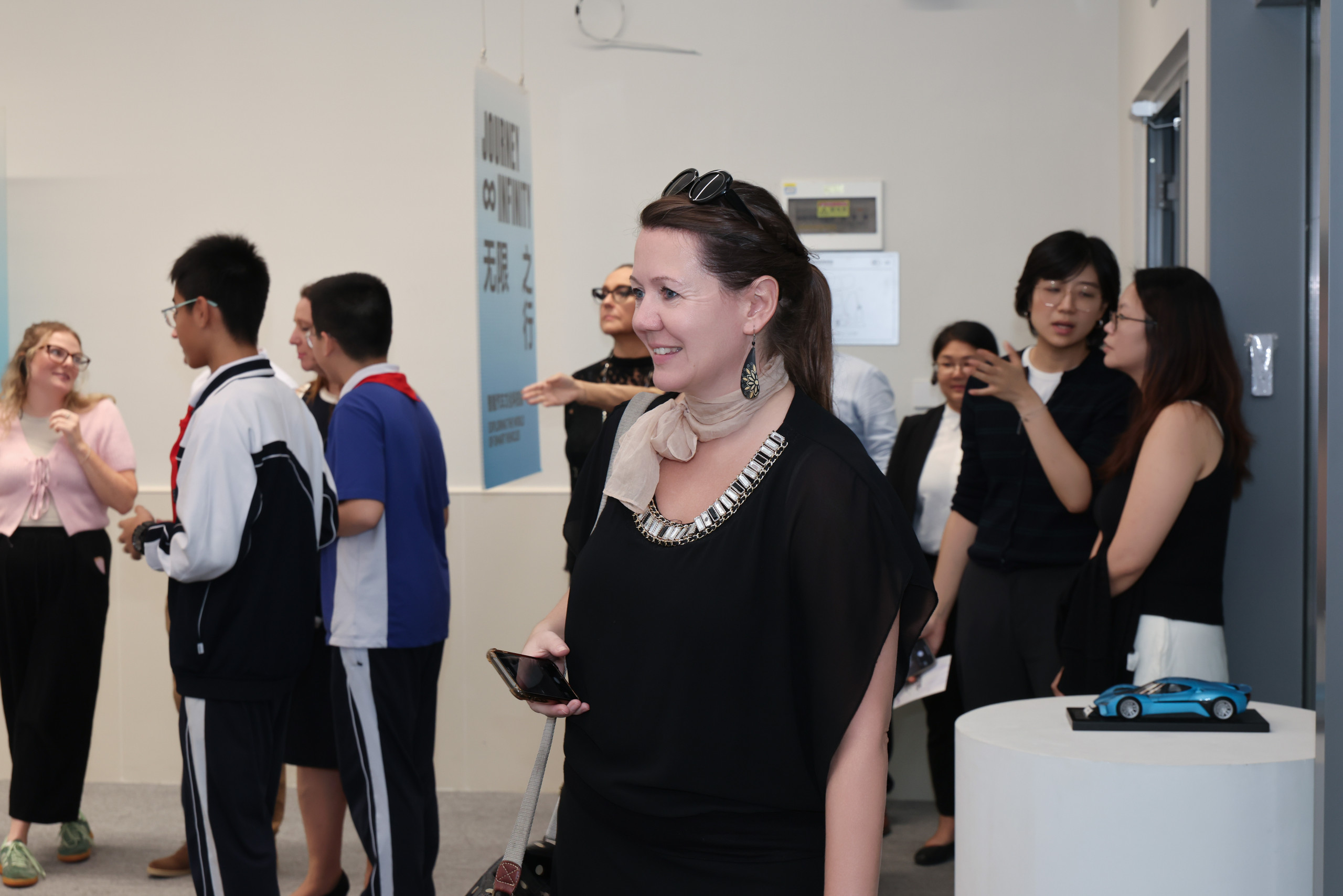
As an English and drama teacher, I was also encouraged by the strong emphasis on the arts. The value placed on music, performance, and creativity was evident everywhere, and it challenged the stereotype that high-performing systems prioritise only academic outcomes. Watching whole cohorts learning instruments or participating in expressive arts gave me huge confidence to continue championing the arts at Parkfields, especially as we prepare for our school production and wider cultural initiatives. Together, these experiences deepened my understanding of what a truly holistic, future-facing education can look like—one where technology, creativity, wellbeing, and ambition work side by side.
Impact on professional development
The delegation had a profound impact on both my professional and personal development. Experiencing Chinese educational culture first-hand taught me the importance of protocol, preparation, and the respectful way meetings and introductions are conducted. This reinforced the value of clarity, intention, and relationship-building in leadership — something I am already bringing back into my role at Parkfields.
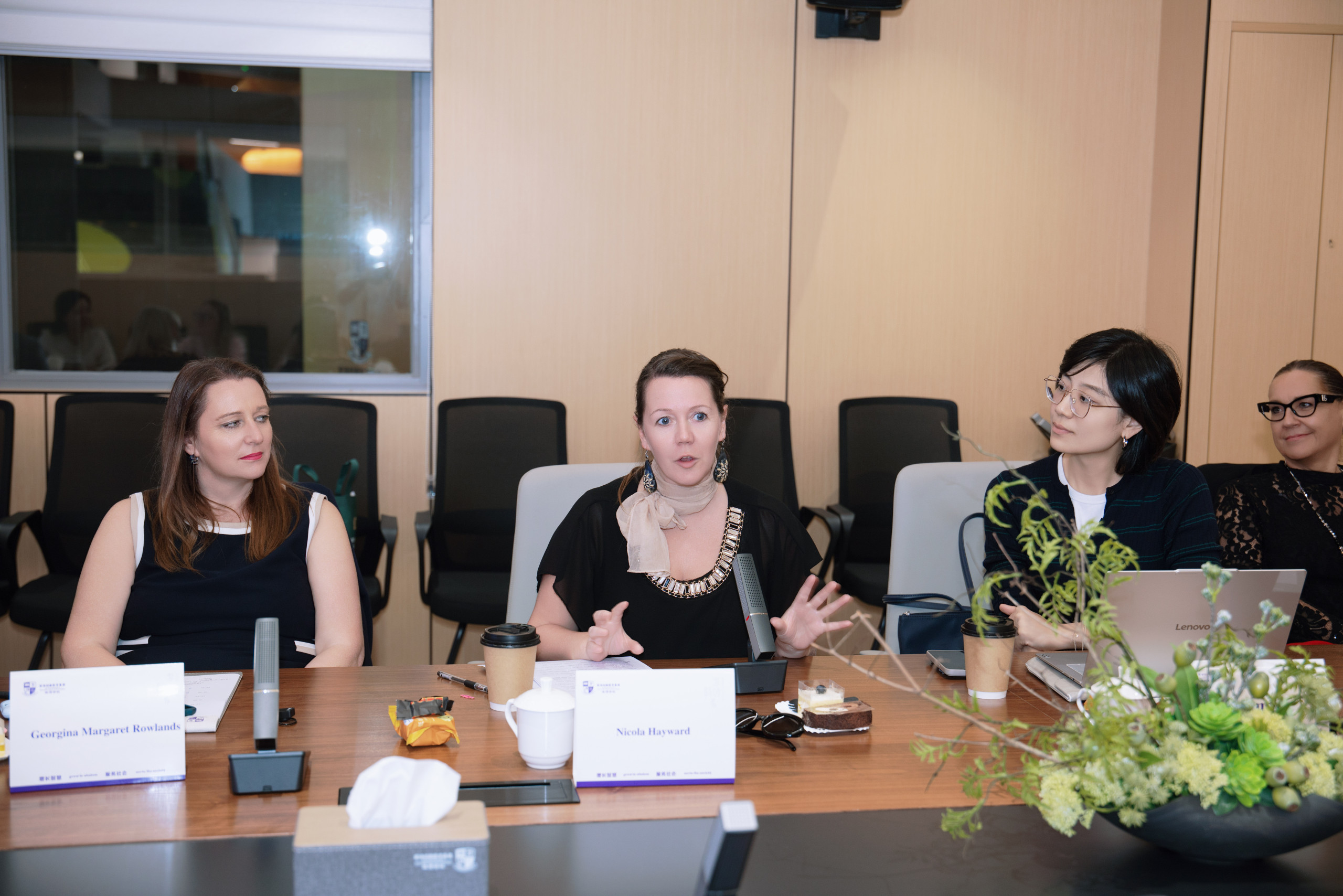
I was also fascinated by the purposeful use of AI within classrooms to streamline assessment and administration, giving teachers more time to focus on pastoral care. While not everything can be directly transplanted into a different educational context, these insights have strengthened my desire to explore technologies that genuinely enhance teaching and wellbeing in our own setting.
For me, the greatest impact was recognising that partnership is more meaningful than replication. Rather than attempting to import another school’s culture wholesale — something I have rarely seen succeed — I am committed to building a genuine, long-term friendship between our schools. A partnership grounded in curiosity, shared values, and opportunities for students to stretch beyond their comfort zones.
One of the most unexpected aspects of the trip was how much I personally felt like a student again. Navigating unfamiliar foods, learning to use chopsticks, and experiencing daily life through new cultural lenses reminded me how powerful — and sometimes overwhelming — true immersion can be. That sense of wonder, challenge, and joy is exactly what I hope our pupils will one day experience through this partnership
Above all, I was moved by the warmth, generosity, and beauty of the people we met. It has left me determined to create opportunities for our students to engage with the world in similarly transformative ways.
Strengthening links with the partner school
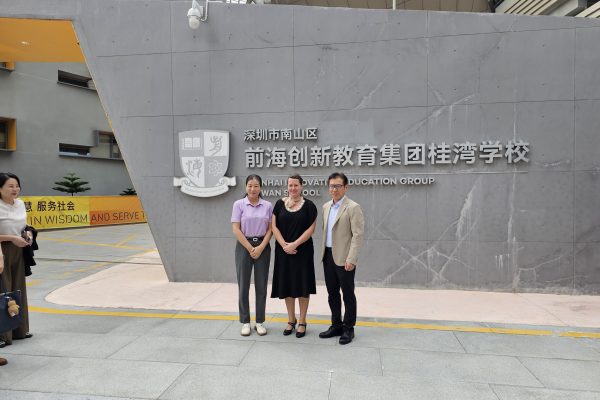
Meeting colleagues at Guiwan School in person was invaluable. It brought a clarity of purpose and a renewed determination to build something meaningful between our schools. Seeing their vision first-hand has helped me understand not just who they are, but what a strong partnership could become.
Although we are only a few weeks into the relationship — and the timing has coincided with SATs and other school pressures — the foundations are already being laid. I have reached out to our partner school to request key information and resources so that I can present a strategic proposal to our Trust. My ambition is to develop a sustained programme of collaboration, beginning with opportunities for our science team to visit and explore how STEM and technology are approached in such a forward-thinking environment.
Looking ahead, I am particularly excited about the possibility of hosting students and eventually developing a reciprocal exchange. For a village school like Parkfields, the idea that our pupils could welcome children from Shenzhen — and perhaps one day visit themselves — is transformative. Even discussing the partnership in assemblies has begun to broaden pupils’ horizons, helping them see that their world is not limited to one village or one country.
This experience has given me a clear sense of direction: a partnership that is not symbolic, but purposeful; not superficial, but deeply enriching for staff and students on both sides. The potential is enormous, and it sits firmly at the top of my agenda for the year ahead.
Partnership with the Global School Alliance
Although Parkfields has only recently joined the Global School Alliance, the impact on our school’s global outlook is already clear. As a community built on the values Flourish, Learn and Grow, we strive to help pupils see themselves as part of a much bigger world — and the GSA provides the perfect platform to make that vision real.
Working with the GSA has broadened our perspective on what is possible for a village middle school. It has given our staff and students a window into different cultures, ideas, and ways of learning, and it aligns closely with our commitment to nurturing confident, globally minded young people. As a language-learning school, our French curriculum already encourages pupils to look beyond the UK; the GSA now builds on that foundation by offering real partnerships, real people, and real stories from across the world.
Working with the GSA has broadened our perspective on what is possible for a village middle school.
Even in these early days, the excitement among students has been remarkable. They are naturally open-minded and curious, and hearing about our partner school in Shenzhen has sparked conversations about culture, technology, food, language, and daily life — conversations that extend far beyond the classroom. Staff, too, have begun to reflect on how global perspectives can enrich teaching across subjects, from STEM to the arts.
The GSA is helping us take our first steps toward a richer, more globally connected curriculum and whole-school approach to global citizenship. It gives us a structure, a community, and a shared sense of purpose as we begin to build genuine cross-cultural understanding — something that has the power to shape our school for years to come.
Message to other school leaders
I believe strongly that school leaders have a responsibility to broaden their own horizons if they expect their staff and students to do the same. Experiences like the GSA delegation are not simply “trips”; they are essential leadership practice. They challenge us to think beyond our postcode, our system, and our assumptions about what education can be.
If we want to raise children who are curious, compassionate, globally aware, and genuinely open to others, then we must model those qualities ourselves. Teachers and leaders shape the next generation — not only academically, but morally and culturally. When we engage with other countries and cultures, we show our pupils what acceptance, openness, and global citizenship truly look like in action.
For me, understanding other cultures is not an optional extra; it is the foundation of a more peaceful future. Building relationships across borders helps young people see the world as interconnected rather than divided, and that awareness starts with the people guiding them.
That is why opportunities like the GSA delegation are invaluable. They equip leaders with the perspective, humility, and drive needed to bring global learning alive in their schools. If we want our students to step confidently into a diverse, rapidly changing world, then we must be willing to step into it first.